

Online Counselling
CM Pieterse Counselling > Online Counselling
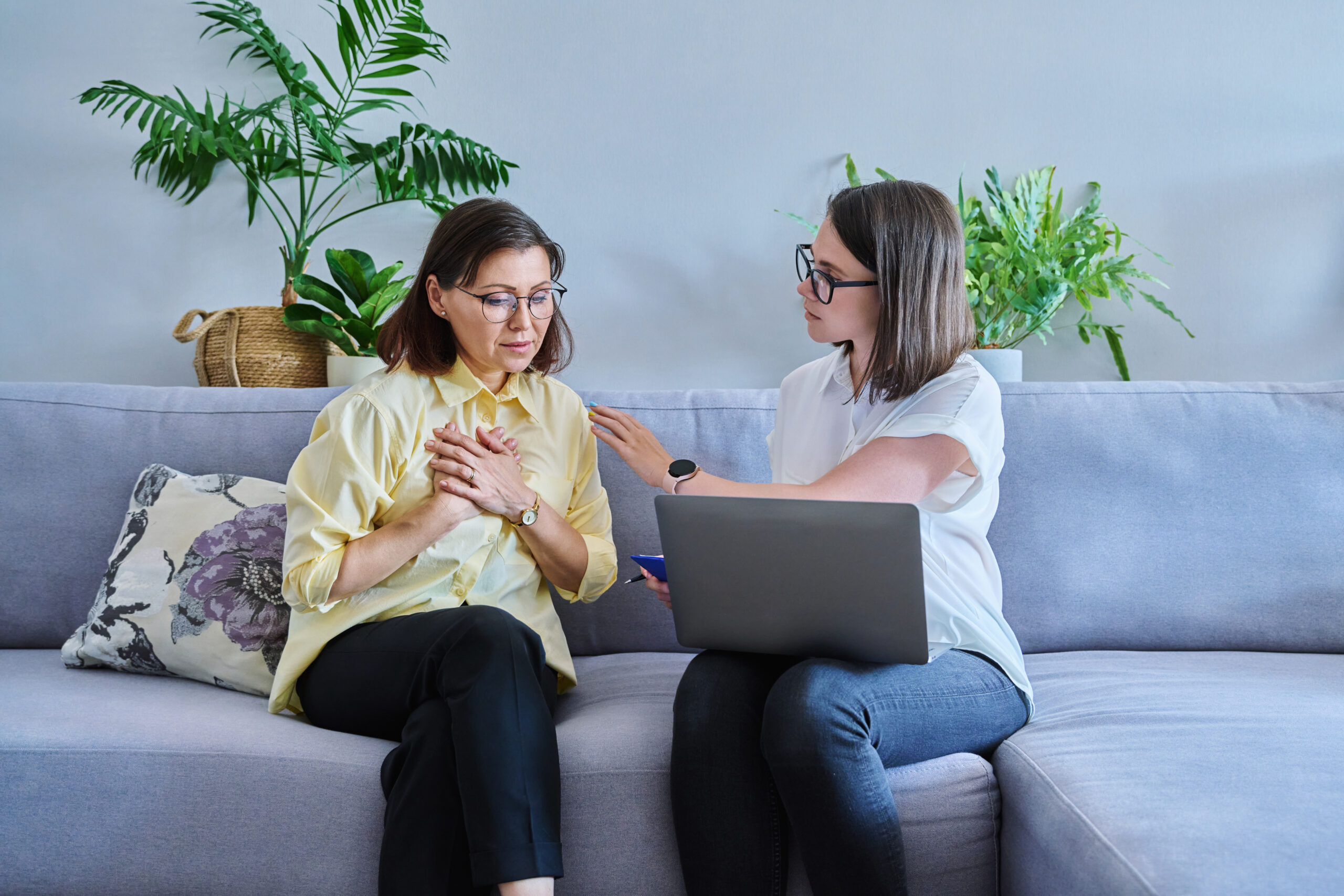
Online Counselling
Online counselling, also known as telecounselling or virtual counselling, is a form of psychological counselling conducted over the Internet using various digital platforms.
It allows individuals to access therapeutic services from the comfort of their own homes or any location with internet access. Here are some key aspects, benefits, and considerations of online counselling:
Key Aspects of Online Counselling
- Modes of Communication: Online counselling can occur through video calls, phone calls, or text-based chat. Some platforms may also include email or messaging features.
- Flexibility: Clients can often schedule sessions at times that fit their schedules, making it easier to integrate counselling into their lives.
- Accessibility: Online counselling provides access to counselling for individuals who may have difficulty attending in-person sessions due to geographical, physical, or logistical barriers.
- Confidentiality: Reputable online counselling services use secure platforms to protect client confidentiality and ensure that communications are encrypted and private.
- Platform Variety: Various platforms and apps are available for online counselling, including those provided by individual counsellors or larger telecounselling companies.
Benefits of Online Counselling
- Convenience: Clients can receive counselling from home, reducing the need for travel and potentially saving time and money.
- Accessibility: It allows access to counsellors who may not be available locally, making it easier for people in remote or underserved areas to get help.
- Flexibility: Scheduling is often more flexible, with the option for evening or weekend appointments to accommodate busy schedules.
- Comfort: Being in a familiar environment can make some individuals feel more at ease and open during sessions.
- Continuity of Care: Online counselling can provide continuity of care if clients move or travel, ensuring that they can maintain their therapeutic relationship.
- Reduced Stigma: For some people, the option to attend counselling online can reduce the stigma associated with seeking mental health support.
Considerations for Online Counselling
- Technology Requirements: Clients need a reliable internet connection and appropriate devices (computer, smartphone, tablet) to access online counselling.
- Privacy Concerns: While many platforms are secure, clients should ensure that they are using a trusted and encrypted service to protect their privacy.
- Suitability of Counselling: Some therapeutic approaches or difficulties may be less suited to online formats. For instance, clients with severe psychological distress or crises may require in-person intervention.
- Counsellor Credentials: It’s important to verify the credentials and licensing of online counsellors to ensure they are qualified and authorized to practice in your region.
- Technical Difficulties: Connectivity problems, software glitches, or other technical difficulties can occasionally disrupt sessions, so having backup plans or alternative contact methods can be helpful.
Types of Difficulties Addressed
- Mental Health Disorders: Anxiety, depression, PTSD, and other conditions can be effectively managed through online counselling.
- Emotional Support: Managing stress, coping with life changes, and improving emotional well-being.
- Relationship Counselling: Couples counselling or family counselling can be conducted online, though some difficulties may benefit from in-person sessions.
- Behavioural Difficulties: Addressing habits, self-discipline, and lifestyle changes.
- Personal Development: Working on self-esteem, personal goals, and self-improvement.
Online counselling offers a flexible and accessible option for many individuals seeking counselling. It is important to choose a reputable service, ensure privacy, and work with a qualified counsellor to make the most of this mode of counselling.
Who is online counselling for
Who is online counselling for
Online counselling is designed to serve a broad range of individuals seeking mental health support, personal growth, or emotional assistance. It is particularly beneficial for those who may face barriers to accessing traditional in-person counselling. Here’s a breakdown of who can benefit from online counselling:
Individuals with Geographical Constraints
- Remote or Rural Areas: People living in areas with limited access to mental health professionals can use online counselling to connect with counsellors regardless of their location.
- Travellers and Expats: Those who travel frequently or live abroad can maintain continuity in their counselling by accessing services online.
- People with Physical or Mobility Challenges Individuals with physical disabilities or mobility difficulties may find online counselling more accessible than in-person visits.
- Health Conditions: Those with chronic health conditions that make travel difficult can benefit from receiving counselling from home.
Busy Professionals and Students
- Busy Schedules: Professionals, students, or individuals with demanding schedules can fit online counselling into their lives more easily due to flexible scheduling and reduced need for travel.
- Work-from-Home: Those who work from home may find it convenient to integrate online counselling into their routine.
Individuals Seeking Privacy or Reduced Stigma
- Privacy Concerns: For those who are concerned about confidentiality or the stigma associated with seeking mental health support, online counselling offers a discreet and private option.
- Comfort of Home: Being in a familiar environment may make some individuals feel more at ease and open during sessions.
Individuals in Crisis or Facing Immediate Difficulties
- Emergency Situations: Online counselling can provide immediate support in situations where in-person appointments are not feasible, although it may not replace emergency services for acute crises.
- Short-Term Difficulties: For individuals needing support for temporary or situational stress, online counselling can offer quick access to help.
People Seeking Specialised Counsellors
- Specialised Needs: Individuals looking for counsellors with specific expertise (e.g., trauma, addiction, LGBTQ+ difficulties) may find it easier to connect with specialists online.
- Language and Cultural Needs: Online counselling can connect clients with counsellors who speak different languages or have cultural competencies that match their needs.
Adolescents and Young Adults
- Adolescentagers and Young Adults: Younger individuals who may be more comfortable with digital communication can benefit from online counselling, especially if traditional options are not appealing or accessible.
Individuals Managing Stress and Personal Development
- Personal Growth: People seeking self-improvement, stress management, or personal development can use online counselling to work on goals and challenges in a convenient format.
- Routine Support: For ongoing support and maintenance of mental well-being, online counselling provides a consistent and accessible option.
Considerations
While online counselling offers many benefits, it may not be suitable for everyone or every situation. It is important to consider:
- Technology Access: Clients need a reliable internet connection and appropriate devices.
- Privacy: Ensuring that the chosen platform is secure and that confidentiality is maintained.
- Suitability: Some severe mental health difficulties or crises may require in-person interventions or immediate emergency support.
Overall, online counselling is a versatile and accessible option that can meet the needs of a diverse range of individuals seeking mental health support and personal growth.
Online Counselling Etiquette and Preparations
- Make sure your headphones/microphone and video/camera work — test equipment and practice how to connect before the meeting. Test again 15 minutes before the session starts.
- Wi-Fi / Internet: If possible, use an ethernet cable to connect. Otherwise, be sure you have a strong Wi-Fi connection. Try to minimize the use of other devices on your Wi-Fi network, e. g. mobile phones
- Time: Be on time for your consultation/meeting and attend all sessions. If you are running late, please notify me on 082 452 7531
- Communication: You can also use the chat function to ask questions or let the group and facilitator know if you need to leave without disturbing the group
- Visibility: Log-in is required, as is being visible during the entire consultation/meeting. If I can not see you I assume you are in danger and will phone your next of kin. Remember to log out at the end of the session.
- Visual Awareness: Use a self-view on your own monitor/screen so that you can see what you look like to others in the consultation/meeting.
- Be mindful of light sources. A window behind you may cause you to look like a silhouette. Use a lamp in front of you so others can read your non-verbal cues.
- Check your space for clutter, e.g. laundry hanging up behind you
- Audio Clarity: Speak clearly and maintain an even volume when speaking. Always assume the microphone is on, and do not say anything that you don’t want everyone to hear.
- Mute your microphone when you are not speaking and I am speaking to you, Most microphones are very sensitive and can pick up the sounds of typing, papers shuffling, or jewellery clanking on a desk. Do your best to minimize all distracting noises.
- Interpersonal Courtesy: It may be tempting to multitask when you are sitting in front of a computer. Please do not.
- Avoid distractions such as side conversations, cell phone calls, or checking emails while you are logged in and connected. Set your devices to “do not disturb” and treat this as you would an in-person consultation or training workshop.
- Engage in the meeting – ask questions, and participate in the discussions; in groups, it will be helpful to use the chat function to indicate that you want to ask a question or make a comment.
Get an Appointment


Contact Details
- 012 660 2356
- 064 525 1978
- info@corneliapieterse.co.za
- Medicross Saxby, 1053 Frederik Ave, Eldoraigne, Centurion, Pretoria, 0157
Emergency Contact Numbers:
Don’t hesitate to reach out.
If you’re experiencing a mental health crisis or require urgent support, please contact your local emergency services or crisis hotline. They are trained to provide immediate help and guidance.
Mental Health Clinics
- Zwavel Stream Clinic 066 255 8501
- Akeso Psychiatric Response Unit 0861 435 787
- Stabilis Addiction Treatment Centre 012 333 7702
- Vista Clinic 012 664 0222
- Tara – The H. Moross Centre 011 535 3000
- Mediclinic Denmar Mental Health 086 024 0024
- Vista Clinic 012 664 0222
Rape Lines
- Rape crisis WhatsApp 083 222 5164
- Rape Crisis helplines Afrikaans 021 633 9229
- Rape Crisis helpline IsiXhosa 021 361 9085
- Rape Crisis helpline English 021 447 97 62
Help Lines
- Triangle Project LGBTQA+ Support South Africa helpline 021 712 6699
- Out LGBT Well Being 012 430 3272
- Suicide Crisis Line 0800 567 567
- SADAG Mental Health Line 011 234 5837
- Akeso Psychiatric Response Unit 0861 435 787
- Western Cape Association for Persons With Disabilities Support helpline 066 255 8501
- Life Line 0861 322 322
- Childline helpline 0800 055 555
- Nar-Anon Family Groups Online Meetings SA helpline 088 129 6791 / 088 129 6791
- Frank Origins 060 649 1706
Online Meetings
- Narcotics Anonymous Online Meetings SA helpline 0861 006 962
- Overeaters Anonymous Online Meetings SA helpline 076 274 5474
- Alcoholics Anonymous Online Meetings SA helpline: 0861 435 722
Existing clients are welcome to contact me directly via WhatsApp for assistance.
You do not have to go at it alone, so don’t.
Don’t face them alone. I am here to provide you with the support and guidance you need. Together, we can work through your difficulties, develop healthy coping mechanisms, and achieve a greater sense of well-being.
Call us
064 525 1978

Get in touch
In need of immediate assistance?
Don't hesitate to reach out.
If you're experiencing a mental health crisis or require urgent support, please contact your local emergency services or crisis hotline. They are trained to provide immediate help and guidance.
Mental Health Clinics
- Zwavel Stream Clinic 066 255 8501
- Akeso Psychiatric Response Unit 0861 435 787
- Stabilis Addiction Treatment Centre 012 333 7702
- Vista Clinic 012 664 0222
- Tara - The H. Moross Centre 011 535 3000
- Mediclinic Denmar Mental Health 086 024 0024
- Vista Clinic 012 664 0222
Rape Lines
- Rape crisis WhatsApp 083 222 5164
- Rape Crisis helplines Afrikaans 021 633 9229
- Rape Crisis helpline IsiXhosa 021 361 9085
- Rape Crisis helpline English 021 447 97 62
Help Lines
- Triangle Project LGBTQA+ Support South Africa helpline 021 712 6699
- Out LGBT Well Being 012 430 3272
- Suicide Crisis Line 0800 567 567
- SADAG Mental Health Line 011 234 5837
- Akeso Psychiatric Response Unit 0861 435 787
- Western Cape Association for Persons With Disabilities Support helpline 066 255 8501
- Life Line 0861 322 322
- Childline helpline 0800 055 555
- Nar-Anon Family Groups Online Meetings SA helpline 088 129 6791 / 088 129 6791
- Frank Origins 060 649 1706
Online Meetings
- Narcotics Anonymous Online Meetings SA helpline 0861 006 962
- Overeaters Anonymous Online Meetings SA helpline 076 274 5474
- Alcoholics Anonymous Online Meetings SA helpline: 0861 435 722
Existing clients are welcome to contact me directly via WhatsApp for assistance.
012 660 2356
064 525 1978
Medicross Saxby,
1053 Frederik Ave, Eldoraigne,
Centurion, Pretoria, 0157
1053 Frederik Ave, Eldoraigne,
Centurion, Pretoria, 0157