

There are many different schools of thought in psychology
All of which provide thought-provoking arguments and perspectives as to what the cause is to psychological difficulties are.
Psychological Difficulties and the Evolving Focus in Psychological Counselling.
Psychological difficulties have long been a subject of debate among psychologists, with varying schools of thought offering different explanations and interventions. These schools, each contributing a unique perspective, suggest diverse causes for psychological difficulties. For instance:
- Psychoanalytic Theory, pioneered by Freud, proposes that unconscious conflicts rooted in early childhood experiences shape our emotional and psychological struggles.
- Behaviourism, on the other hand, views maladaptive behaviour as learned responses to environmental stimuli, emphasizing the role of reinforcement and conditioning in the development of psychological difficulties.
- Cognitive Psychology suggests that distorted thinking patterns and faulty beliefs contribute to emotional distress, focusing on changing thoughts to affect emotions and behaviour.
- Humanistic Psychology emphasizes the innate potential for self-actualization and the importance of positive regard and empathy in overcoming psychological difficulties, while also advocating for individual choice and personal growth.
- Systemic Therapy examines individuals within the broader context of their relationships and environments, arguing that psychological difficulties often arise from dysfunctional interactions within family systems or other social contexts.
Despite the diversity of views, there is a growing consensus among contemporary psychologists that emotions and thoughts themselves are not inherently problematic. The emphasis of earlier therapeutic models, which focused primarily on addressing and changing thoughts and feelings, is gradually being complemented by a more nuanced understanding of the systems in which individuals operate. Systemic theory suggests that psychological difficulties are often reinforced by maladaptive patterns within these broader systems (family, work, societal norms, etc.), which fail to provide the necessary context for positive change.
The Shift Toward a Skills-Based Approach
In recent years, the focus of psychological counselling has shifted toward not only identifying and addressing the causes of psychological difficulties within these systems but also equipping individuals with the skills to manage their thoughts, emotions, and behaviour in healthier ways. This shift recognizes that focusing solely on the thoughts and emotions themselves may not be sufficient if the underlying system that sustains maladaptive patterns remains unaddressed.
For example, self-regulation, coping strategies, and effective communication have become essential components of modern psychological interventions. These skills empower individuals to navigate difficult environments, cope with challenging emotions, and foster healthier relationships. When individuals lack awareness of the systems that influence their behaviour, or have not yet developed the necessary skills, they are more likely to struggle with responses to their emotions and thoughts in adaptive ways. This can lead to difficulties such as impulsivity, ambivalence, disordered eating, anxiety, depression, or interpersonal conflict.
My Approach: The Systemic Eclectic Model
As a registered counsellor, I integrate a person-centred systemic eclectic approach, drawing on a variety of psychological theories and techniques to address the multifaceted nature of each individual’s experiences. This approach allows me to:
Consider the broader context: I incorporate systemic therapy, acknowledging that individuals cannot be fully understood in isolation from the systems in which they exist. Whether it is family dynamics, societal pressures, or cultural norms, these larger contexts play a significant role in shaping psychological difficulties.
Blend interventions: By drawing on cognitive-behavioural therapy (CBT), dialectical behaviour therapy (DBT), traumatic incident reduction (TIR), and other methods, I use a range of techniques suited to the individual’s needs. These interventions provide practical tools for challenging distorted thinking, managing emotions, and improving interpersonal skills.
Promote skill-building: Focusing on skill-building is a central tenet of my approach. In addition to addressing the root causes of psychological distress, I help clients develop skills such as emotion regulation, self-awareness, and conflict resolution. These are critical tools for managing challenges and fostering resilience in the face of adversity.
Create long-lasting change: By integrating various schools of thought, I can help clients not only understand the origins of their difficulties but also take actionable steps toward improvement. This approach fosters empowerment, resilience, and greater overall well-being.
In summary, the person-centred, systemic, eclectic approach I take, emphasizes the importance of understanding the underlying causes of psychological difficulties, while simultaneously equipping individuals with the skills they need to thrive. By integrating multiple psychological perspectives and focusing on both system-level changes and skill development, clients are better positioned to navigate life’s challenges and create lasting positive change.
Changing Thoughts and Feelings Through Action: A Key Principle in Psychological Counselling
A central tenet of psychological counselling is the idea that changing your thoughts and feelings often requires action. This principle is embedded in many therapeutic interventions, particularly those linked to Cognitive-Behavioural Techniques (CBT), such as behavioural activation. Behavioural activation encourages individuals to engage in activities they enjoy or that align with their values, even if they don’t initially feel motivated or capable of doing so. The goal is to break the cycle of negative emotions and behaviours by taking small, purposeful actions that can ultimately lead to a shift in mood.
For example, imagine someone feeling down or overwhelmed by stress. Instead of staying in bed, they could try something simple, like colouring in an adult colouring book. It may sound trivial at first, but this activity can have a profound impact. The intricate design of the colouring page, with tiny, detailed sections and thin lines, demands attention and concentration. As a person colours, their focus is pulled away from negative thoughts and worries, and they begin to experience a sense of accomplishment and calm. If they take it a step further by setting a rule that no two adjacent blocks can be the same colour, they engage even more of their concentration and mindfulness, further helping to shift their focus away from distressing emotions.
Similarly, consider someone struggling with anxiety or depression. The act of engaging in an activity, even when motivation feels lacking, can serve as a powerful counterbalance to the inertia of negative emotions. By simply acting and becoming involved in something they enjoy or that aligns with their values, they can break free from the cycle of avoidance and distress that keeps them trapped.
Addressing Emotional Challenges Through Self-Regulation
Many people don’t want to feel anxious, sad, or overwhelmed. When a person is anxious, for example, telling them to “just relax” often feels frustrating and unhelpful. No one would voluntarily choose anxiety as their primary emotion. Similarly, someone who has experienced a traumatic event may find themselves re-living the trauma through intrusive thoughts or flashbacks. If they could choose, they would likely never revisit that painful memory.
Now, consider this: If the individual finds themselves in a similar situation—such as a job interview—the same feelings of anxiety might resurface. In such cases, the intensity of that anxiety could become overwhelming, especially if it hasn’t been properly addressed or processed in the past. This is where the self-regulation skills learned through therapeutic approaches, such as Cognitive Behavioural Therapy (CBT) or Dialectical Behaviour Therapy (DBT), become incredibly beneficial.
Self-regulation refers to the ability to manage and control one’s emotional responses in various situations. By learning specific strategies and techniques through CBT or DBT, individuals can better navigate these emotionally charged situations. For instance, in the case of anxiety, individuals can be taught grounding techniques, such as deep breathing exercises, or thought-stopping strategies, which help them reframe their anxious thoughts and regulate their emotional responses.
Additionally, the individual might learn how to reframe their perception of the job interview. Instead of viewing it solely as a threatening or anxiety-inducing event, they could reframe it as an opportunity to showcase their skills and abilities. This shift in thinking can significantly reduce anxiety and improve their ability to perform under pressure.
The Benefits of Skill Building and Self-Activation
Once individuals have developed self-regulation skills, they are better equipped to handle emotions when they arise. These skills can be practiced in advance, even before encountering the stressful situation. Through interventions like CBT and DBT, clients learn to self-activate, meaning they take proactive steps to apply the coping mechanisms they have acquired. This enables them to manage their emotions more effectively when they are in high-stress or triggering situations.
For instance, consider a person with a history of emotional dysregulation or impulsivity. In the past, they might have reacted to difficult situations with outbursts, impulsive decisions, or avoidant behaviours. With the tools learned in therapy—such as emotion regulation techniques from DBT or thought-challenging techniques from CBT—they can begin to act with more intention and control. This proactive approach leads to better emotional outcomes, as they can now navigate challenging situations in a healthier, more adaptive way.
Real-World Applications and Impact
The effectiveness of these interventions is most evident when individuals begin to apply these skills in real-life situations. For example, if someone has learned how to use mindfulness techniques to manage anxiety, they might apply these techniques before a stressful presentation or a difficult conversation. By staying present and aware of their thoughts, they can calm their anxiety and improve their ability to engage in the situation without being overwhelmed by fear or nervousness.
Similarly, when someone has learned to engage in activities that align with their values (through behavioural activation), they might start taking small actions that move them closer to their goals, even if they initially lack motivation. This gradual increase in activity helps them build momentum, which can positively influence their mood, their sense of self-efficacy, and their overall emotional well-being.
In conclusion, the integration of Cognitive Behavioural Therapy (CBT) and Dialectical Behavioural Therapy (DBT) strategies, along with skill-building exercises like behavioural activation, offers a comprehensive approach to managing psychological difficulties. These interventions not only help individuals understand the root causes of their emotional challenges but also empower them with the skills to respond in adaptive, resilient ways. By combining self-regulation techniques, thought reframing, and purposeful action, individuals can break the cycle of emotional distress and build a stronger foundation for emotional well-being.
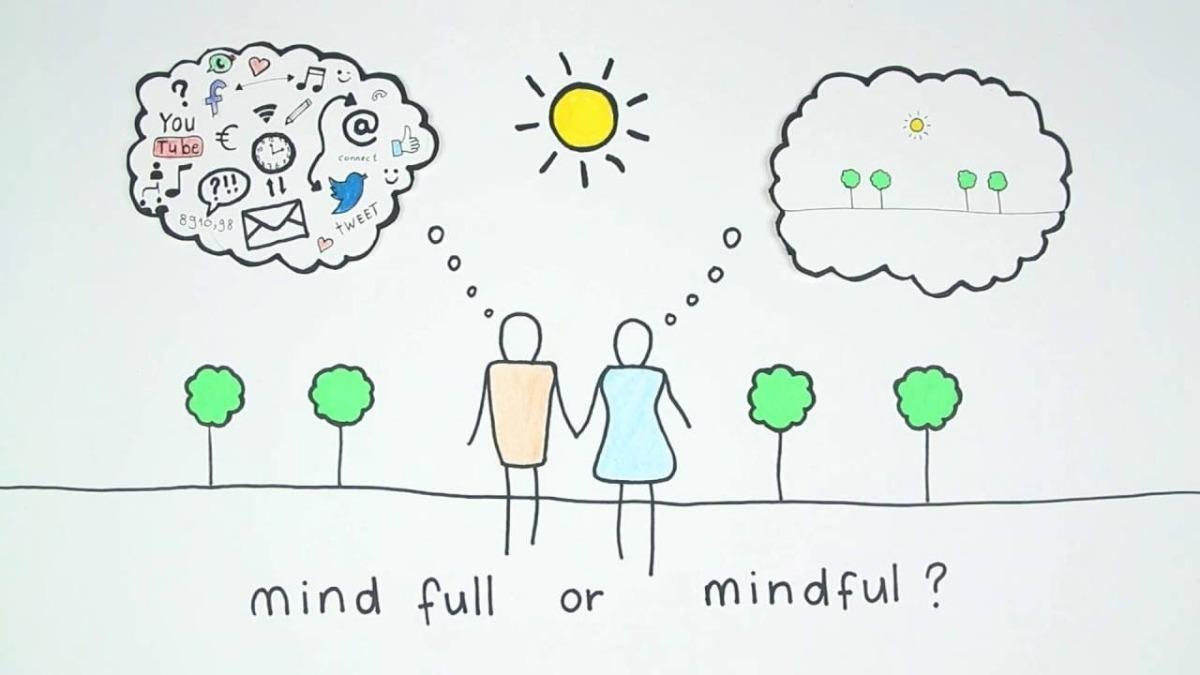
Mindfulness and awareness skills also play an integral part in knowing when to make use of a skill like the one mentioned above for self-regulation during the experience of anxiety. Mindfulness skills encompass practising being present in the moment without judgment, since this can help you become more aware of your thoughts and feelings, allowing you to respond to them rather than react to them.
An example of this would be, if you are in your emotional mind when arriving home as a result of having been stuck in traffic for 2 hours, and what you need to do once you get there is to prepare for an exam. The feeling that would result from losing two hours of study time is anxiety and frustration. If you had become mindful you would realise that you are struggling to take in information because you are in your emotional mind as a result of the aforementioned. Then you would know you could either carry on covering content and be able to retain very little of what you revised, or you could make use of self-activation, by doing something to draw your focus out of your feelings and thoughts, like doing a 10 minutes picture while doing deep breathing exercises, until you feel emotionally more stable and would be able to focus and retain more because you are actually present and not in your emotional mind somewhere else.